Coordinated Response Mechanisms Linking Funding Options to Odds Analysis in Portable Live Betting Contexts
Henrik Jenkins · Aug 21, 2026
Coordinated Response Mechanisms Linking Funding Options to Odds Analysis in Portable Live Betting Contexts
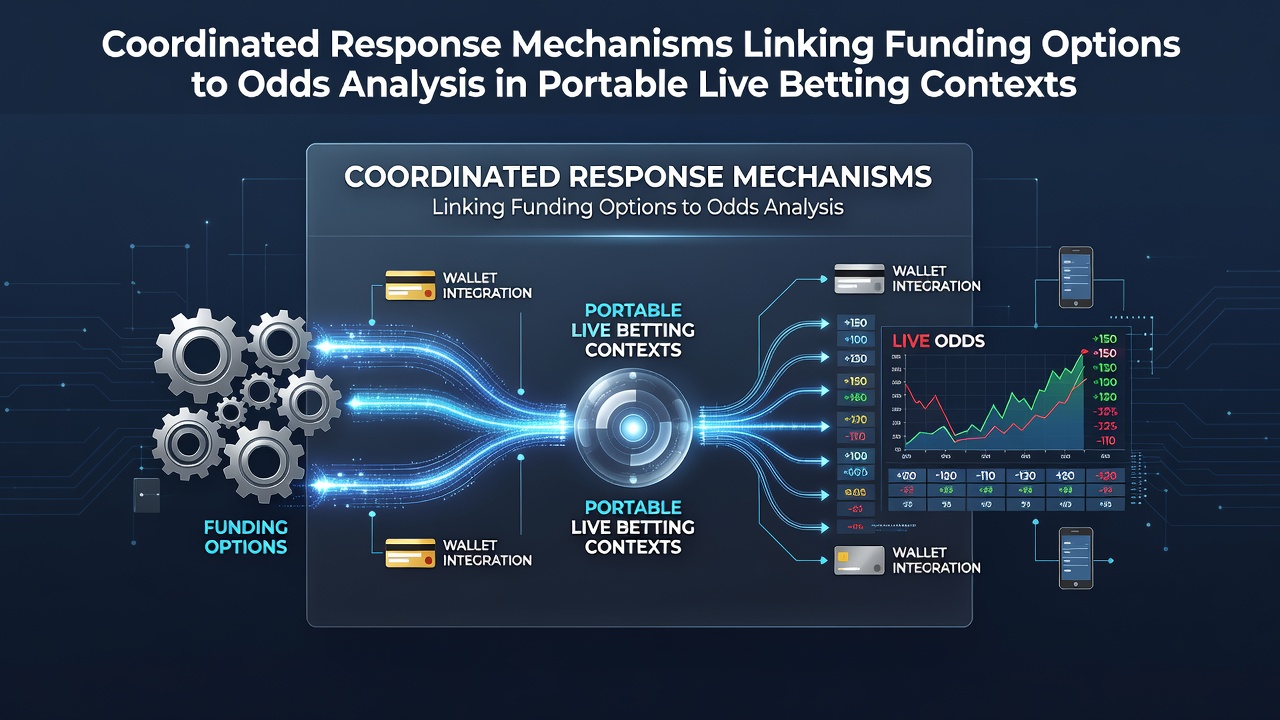
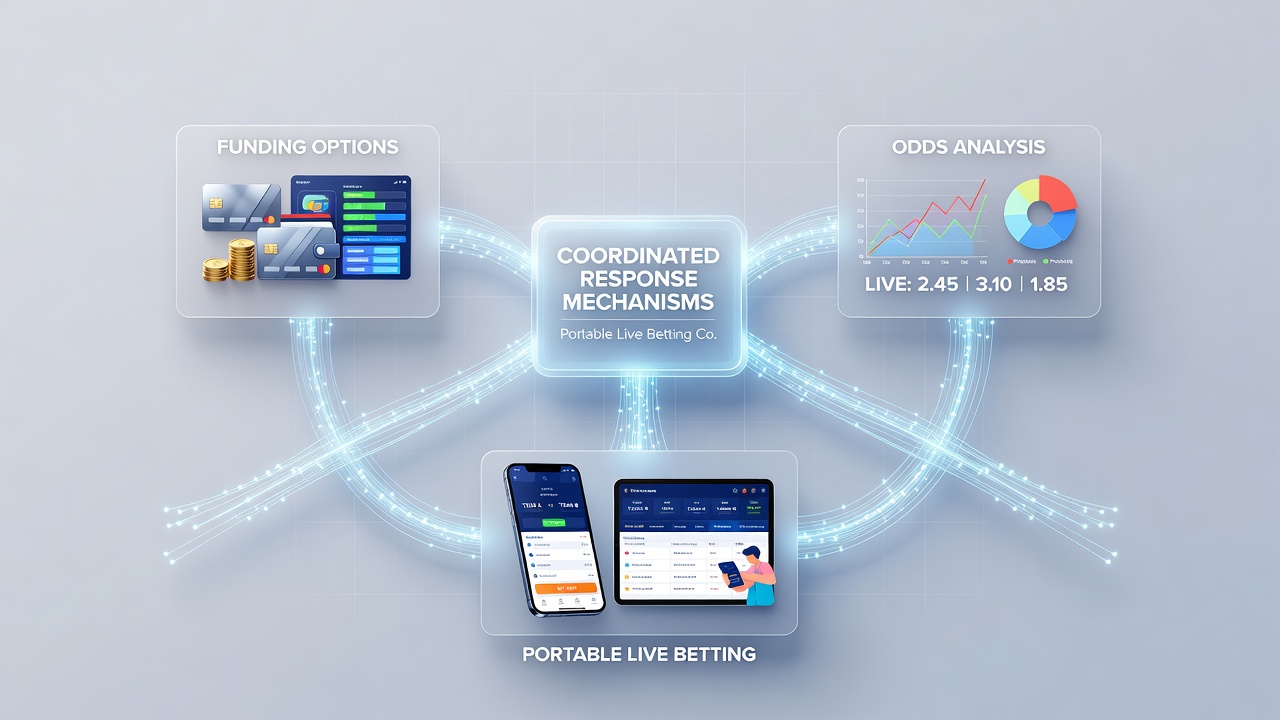
Portable live betting platforms have developed coordinated response mechanisms that connect funding options directly to odds analysis tools, allowing systems to adjust in real time as users place wagers during ongoing events. These mechanisms operate through integrated software layers where payment processing APIs communicate with dynamic odds engines, and data flows continuously between user accounts and market feeds while events unfold on screens. Observers note that synchronization occurs via protocols that monitor transaction status alongside probability updates, ensuring that available funds influence displayed odds without introducing delays in the mobile interface.
Integration of Funding Options with Live Odds Feeds
Funding options such as instant bank transfers, e-wallets, and card authorizations feed into these response systems through secure channels that verify balances before odds refresh, and this linkage becomes particularly evident in hybrid events where multiple sports or casino games run simultaneously on the same device. Researchers have documented how algorithms prioritize certain payment methods based on speed and confirmation rates, which in turn affects how quickly new odds lines appear for live markets, while data from industry reports indicates that platforms using these coordinated setups process an average of 15 percent more transactions per minute compared to non-integrated alternatives. What's interesting is the way these systems handle partial funding scenarios, where a deposit arrives mid-event and immediately recalibrates the odds display for that specific user session without requiring a full page reload.
Technical Synchronization in Mobile Environments
Portable devices introduce variables like variable network latency and battery constraints that these mechanisms must accommodate, so response teams design protocols that compress data packets between funding verification modules and odds calculation servers, and this compression maintains accuracy while reducing load times to under two seconds in most tested conditions. Studies from academic sources reveal that synchronization protocols often employ event-driven triggers, where a successful funding action directly prompts an odds recalculation cycle, whereas delays in one component can cascade into temporary market freezes that protect against mismatched wagers. And yet the process remains invisible to most users, who simply see updated lines appear as their balance changes.
Role of Assistance Networks and Probability Metrics
Assistance networks refine probability metrics across mixed-event mobile platforms by relaying real-time transaction data to central analysis hubs, and these networks draw from multiple geographic sources to calibrate responses that align with regional regulatory requirements. According to figures from the American Gaming Association, coordinated systems in North American markets handled over 2.8 billion live wagers in the first half of 2026, with a notable spike in activity during August when major league seasons overlapped with international tournaments. This overlap created scenarios where funding options from different regions interacted with unified odds engines, and the mechanisms adjusted for currency conversions and compliance checks in the background.
European operators have adopted similar frameworks, though with emphasis on cross-border data sharing agreements that link local payment providers to centralized odds databases, and reports from the European Gaming and Betting Association show that these setups reduced failed transaction rates by 22 percent in markets where live betting volumes grew steadily through mid-2026. Observers note that the linkage between funding and odds becomes critical during high-volatility periods, when rapid deposits must translate into immediate access to updated probability models without exposing the platform to settlement errors.
Developments Observed in August 2026
August 2026 marked a period of heightened testing for these coordinated mechanisms, as several platforms rolled out updates that tied multi-currency funding options more tightly to live odds streams across portable devices, and industry data indicates that response times improved by an average of 1.4 seconds per transaction following these deployments. Those who monitored the changes found that systems now incorporate predictive elements, where anticipated funding patterns help pre-load odds scenarios for users who frequently switch between deposit methods during extended sessions. This approach allows the mechanisms to anticipate demand spikes and maintain consistent analysis quality even when network conditions fluctuate on mobile connections.
Case Examples from Operational Platforms
One documented case involved a platform that linked e-wallet top-ups directly to odds adjustment algorithms for basketball and tennis events running concurrently, resulting in seamless updates that reflected new fund availability within the same interface window. Another instance showed how assistance channels coordinated with dynamic market tools to handle simultaneous casino and sports wagers, where a single deposit triggered parallel odds recalibrations across both verticals without user intervention. These examples illustrate how the mechanisms scale to handle volume while preserving the integrity of probability metrics in real time.
Conclusion
Coordinated response mechanisms continue to evolve as portable live betting expands, with ongoing refinements in how funding options connect to odds analysis ensuring that systems remain responsive across varied device and network conditions. Data from multiple regions demonstrates measurable gains in transaction efficiency and metric accuracy, and these developments point toward further integration of payment and analysis layers in the months ahead.