Cross-Platform Query Handling and Its Influence on Probability Tool Refinements During Overlapping Athletic and Table Activities
Uma Flores · Aug 21, 2026

Cross-Platform Query Handling and Its Influence on Probability Tool Refinements During Overlapping Athletic and Table Activities
Cross-platform query handling refers to the technical processes that betting platforms use to manage user requests from mobile, desktop, and tablet interfaces at the same time, and these processes connect directly to refinements in probability calculation tools when participants engage in athletic events alongside table games such as blackjack or roulette. Researchers have documented how data from overlapping sessions flows through centralized servers that merge inputs from different devices while maintaining session continuity, and this merging supports adjustments in real-time odds that reflect combined activity patterns across multiple game types.
Core Components of Query Management Systems
Systems designed for cross-platform operations collect query data from various sources including live sports feeds and table game interfaces, then route that data through unified processing pipelines that account for concurrent user actions on separate platforms. Observers note that synchronization occurs through standardized protocols that timestamp each request regardless of device origin, which allows probability engines to incorporate variables from athletic betting lines and table outcomes without creating separate calculation streams. In August 2026 several platform operators reported expanded use of these unified pipelines following updates to device compatibility standards that addressed latency issues in hybrid sessions.
Engineers have implemented caching mechanisms that store partial results from one platform and apply them to queries arriving from another, and this approach reduces redundant computations while preserving accuracy during periods of high simultaneous activity. Data from industry reports shows that query volumes in overlapping athletic and table environments increased by measurable margins in the first half of 2026, prompting further investment in these caching layers to maintain consistent performance across regions.
Effects on Probability Calculation Accuracy
Probability tools receive enriched datasets when query handling spans platforms because each incoming request carries contextual markers from prior activity on different devices, and analysts have traced how these markers enable finer calibration of outcome likelihoods. For instance one documented workflow routes a sports wager placed on a mobile device into the same probability model that processes a subsequent table game decision made on a desktop interface, allowing the model to adjust variables for correlated risk factors across both categories. Studies conducted by academic research groups indicate that such integrated handling correlates with reduced variance in projected payout ratios when users maintain active sessions in multiple game formats.
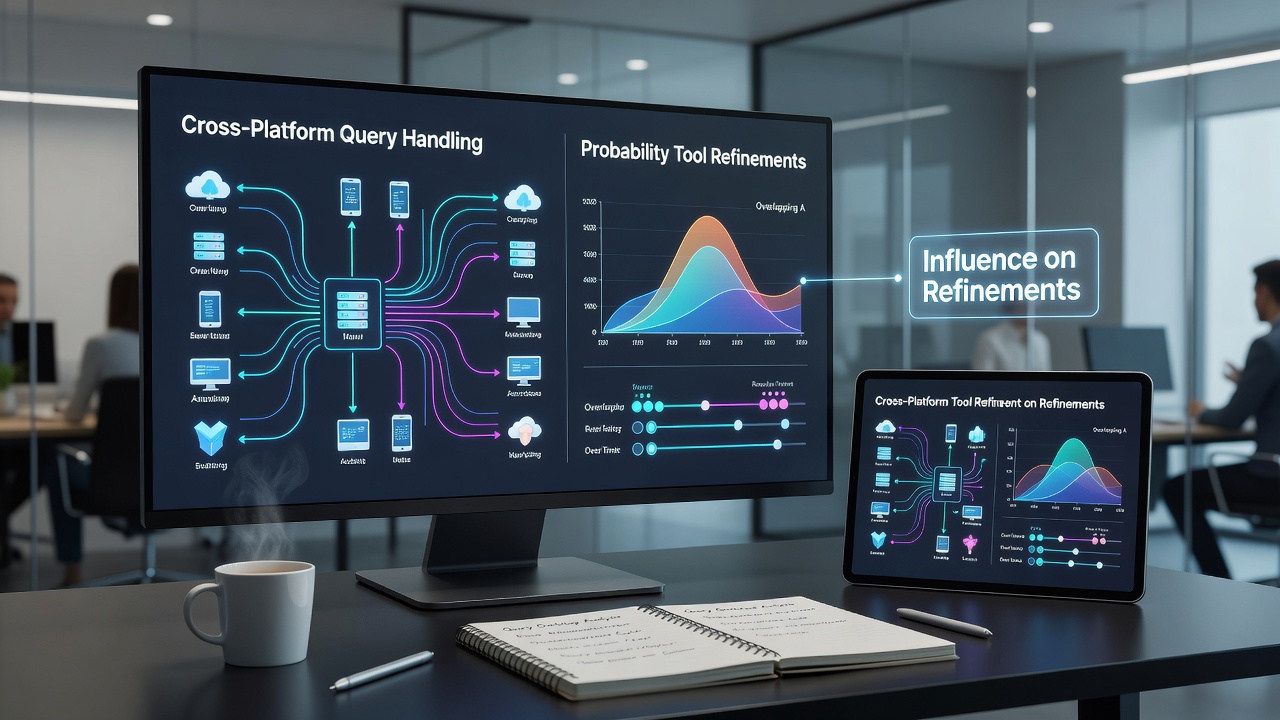
Refinements occur through iterative feedback loops where completed queries from one activity type inform weighting coefficients applied to the other, and this loop operates continuously as long as the user remains engaged on any connected platform. Government agencies in several jurisdictions, including data released by the Nevada Gaming Control Board, have recorded that platforms employing these loops demonstrate measurable improvements in compliance reporting accuracy for multi-game sessions. The integration also supports regulatory requirements for transparent odds presentation because the underlying calculations draw from a single consolidated data repository rather than fragmented sources.
Implementation Patterns Observed in 2026
Platform operators adopted modular architectures in 2026 that separate query ingestion from probability computation, which permits independent scaling of each layer during peak overlapping activity periods such as major athletic tournaments coinciding with table game promotions. External research from the Australian Institute of Gambling Studies has examined how these modular designs handle query spikes without degrading the precision of probability outputs, and findings show that latency reductions directly contribute to more responsive refinements in live odds across device types. Operators have further incorporated geographic routing rules that direct queries to regional servers optimized for specific combinations of athletic and table activities, thereby maintaining consistency in probability outputs regardless of user location.
Case documentation from multiple operators reveals that query handling protocols now include device fingerprinting elements that distinguish between concurrent sessions on the same account, and this distinction allows probability tools to apply distinct weighting factors when one session involves live sports and another involves table game decisions. The resulting refinements appear in updated probability distributions that reflect the combined exposure across both activity streams, supporting more stable risk management frameworks for the platforms involved.
Conclusion
Cross-platform query handling continues to shape probability tool refinements by consolidating data streams from athletic and table activities into unified processing environments, and the patterns observed through 2026 demonstrate consistent technical linkages between query management and calculation accuracy. Regulatory records and academic examinations confirm that these linkages produce measurable effects on how platforms adjust real-time probabilities when users participate across multiple formats simultaneously. Future developments will likely center on further protocol standardization that extends these capabilities to emerging device categories while preserving the integration principles already in place.