Tracing Synchronization Protocols Between Assistance Channels and Dynamic Market Tools in Hybrid Mobile Wagering Setups
Jakob Russell · Aug 19, 2026
Tracing Synchronization Protocols Between Assistance Channels and Dynamic Market Tools in Hybrid Mobile Wagering Setups
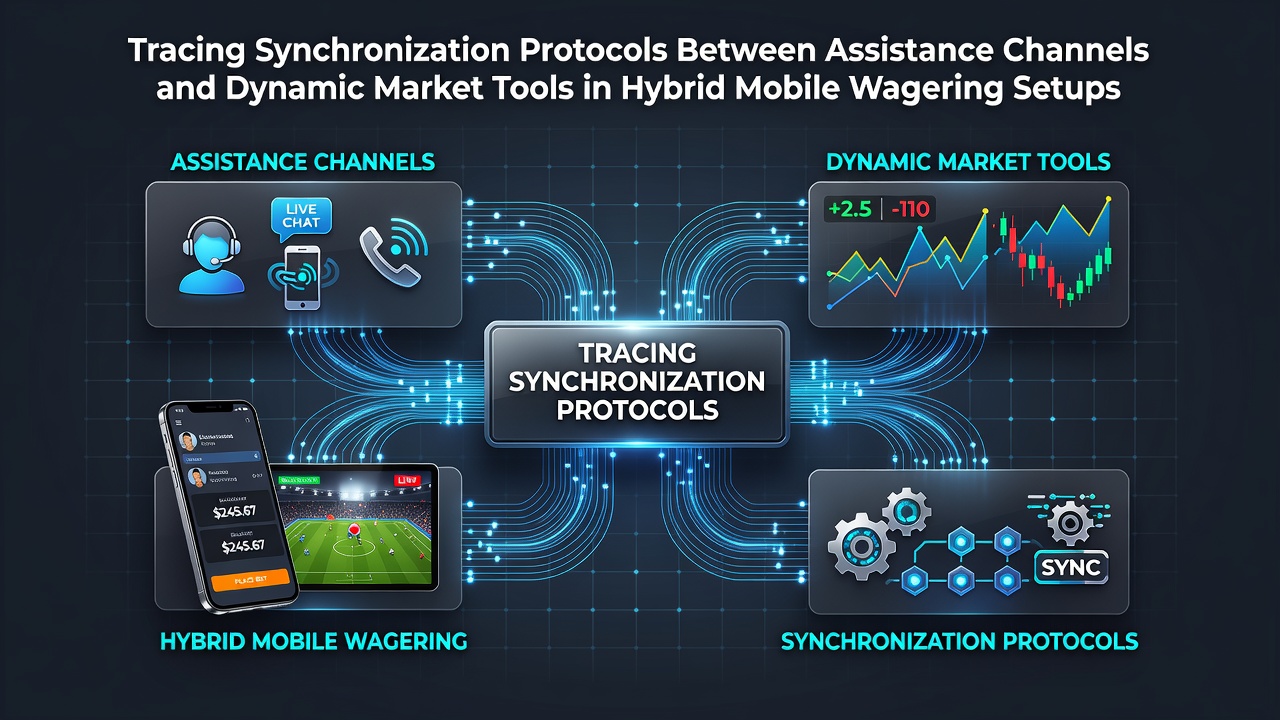
Hybrid mobile wagering setups combine sports betting with casino elements on single applications, and synchronization protocols ensure assistance channels stay aligned with dynamic market tools that adjust odds and promotions in real time. These systems handle data flows between support interfaces and pricing engines while users switch between event types on portable devices, and the process relies on standardized communication layers that transmit updates across distributed servers.
Core Components of Assistance Channels in Mobile Platforms
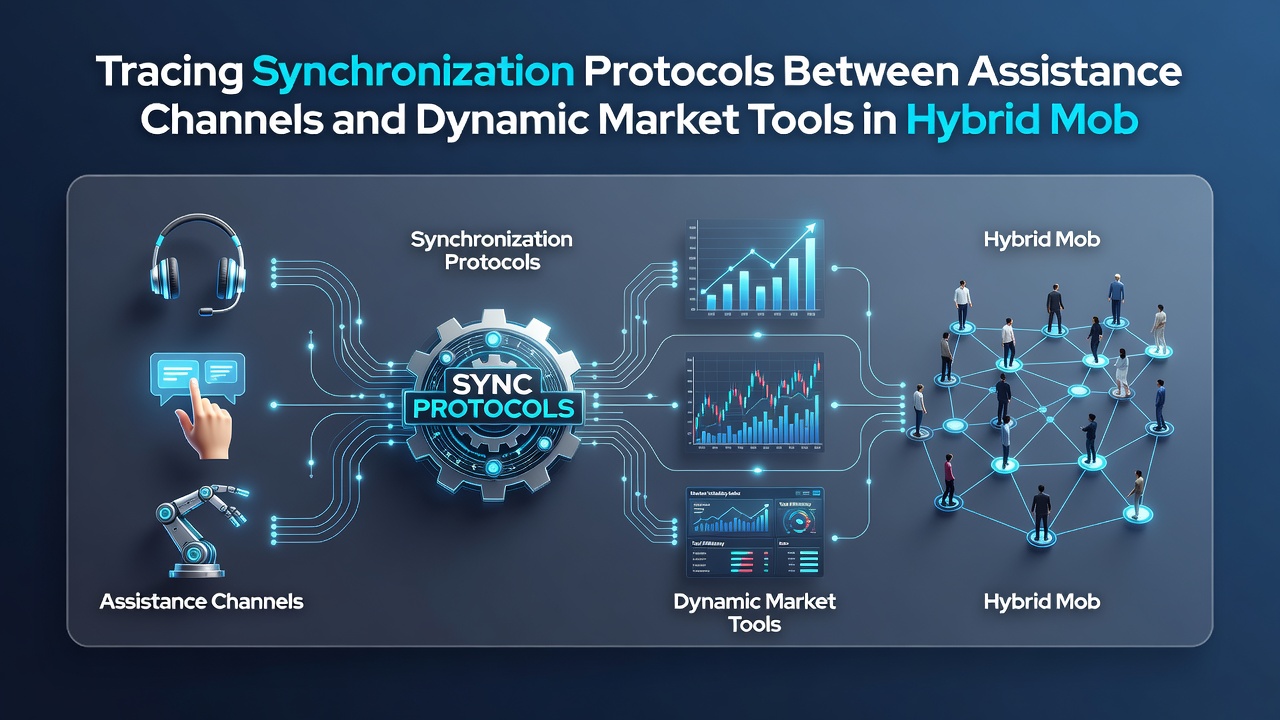
Assistance channels in these environments include chat modules, automated response systems, and live agent dashboards that pull information from central databases, while dynamic market tools encompass odds calculators, liquidity providers, and risk management algorithms that update continuously based on betting volume. Synchronization occurs through protocol stacks that use timestamped packets and checksum verification to prevent discrepancies during high-traffic periods, and developers implement these layers to maintain consistency when users request account details or bonus adjustments mid-session.
Observers note that protocols often follow patterns established by industry standards bodies, which define message formats for transmitting market changes to support interfaces without introducing latency that could affect user queries. In practice, an incoming support request triggers a query to the market tool layer, which responds with current pricing data and risk flags before the assistance system generates its reply.
Protocol Tracing Methods and Data Flow Analysis
Tracing these protocols involves logging API calls, monitoring message queues, and mapping dependency chains between services, and analysts use distributed tracing tools to follow requests as they move from mobile front-ends through middleware to backend market engines. Each hop records metadata such as sequence numbers, source identifiers, and response times, which allows teams to reconstruct full interaction paths when issues arise in hybrid environments where sports lines and casino tables operate simultaneously.
Research from academic institutions has examined how these traces reveal bottlenecks during peak events, for instance when multiple users access live odds while opening support tickets about pending withdrawals. Data collected in such studies shows that protocols incorporating event-driven architectures reduce average sync delays compared with polling-based alternatives, and the difference becomes measurable in setups handling thousands of concurrent sessions.
Integration Challenges in August 2026 Deployments
By August 2026, several operators had rolled out updated synchronization frameworks to address increased demand for cross-product features on mobile devices, and these updates incorporated enhanced encryption for protocol messages while preserving backward compatibility with existing assistance tools. Regulatory filings from bodies such as the Malta Gaming Authority indicate that operators must demonstrate traceable audit trails for all market adjustments that influence support responses, particularly when dynamic tools alter bonus eligibility based on real-time betting patterns.
One case involved a platform that linked its live chat system directly to a dynamic odds feed, allowing agents to reference exact line movements during conversations about settled bets, and the integration required custom protocol extensions to handle the additional data volume without compromising response accuracy. Similar implementations appear in reports from North American regulators, where state-level oversight emphasizes the need for verifiable sync logs during compliance reviews.
Security and Compliance Considerations
Security measures within these protocols include mutual authentication between assistance and market components, along with encrypted channels that protect sensitive transaction details during transmission, and compliance frameworks require operators to retain protocol logs for defined periods. Industry reports from organizations such as the European Gaming and Betting Association highlight how traced synchronization data supports investigations into disputed outcomes by providing timestamps that align user actions with market state changes at the moment of each interaction.
Analysts continue to evaluate protocol performance across different device types and network conditions, noting that hybrid setups introduce variables such as variable latency on cellular connections that can affect the perceived reliability of assistance responses tied to live market data. These evaluations rely on aggregated metrics rather than individual user sessions, which keeps the focus on system-level behavior.
Conclusion
Tracing synchronization protocols between assistance channels and dynamic market tools remains a central technical task in hybrid mobile wagering, and ongoing refinements in August 2026 reflect efforts to maintain data integrity across expanding product mixes. The combination of standardized message formats, distributed logging, and regulatory requirements creates a framework where operators can verify alignment between support functions and market adjustments while meeting operational and compliance standards.